
Deck the Halls But Mind The Planet
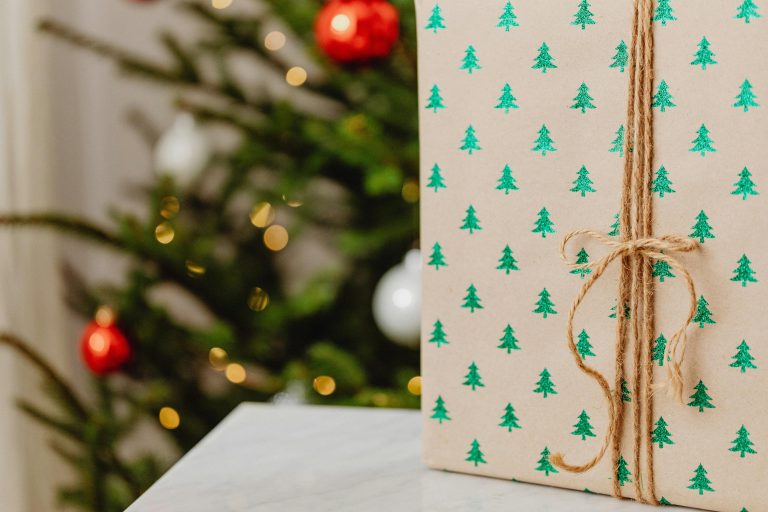
Like me, many of you will instantly associate that phrase, ‘Deck the Halls’, with Christmas and, for me at least, it conjures up scenes of traditional yuletide festive celebration, log fires and Christmas trees. A reminiscence of simpler times and the herald of upcoming celebrations shared with family and friends.
For some though, Christmas is a time of heightened anxiety. I often see clients that are worrying about financial issues, social worries and concerns about coping with the complexity of Christmas. In more recent years I’ve also noticed that there is a growing level of existential anxiety in some clients concerning the future of our planet and more specifically at this time of year, worries about the perceived ‘excesses of Christmas’ and the harm it causes the planet.
I think many of us are trying to make the move towards what we consider to be a more, eco-sensitive Christmas – less overindulgence, more sustainable gift choices – and we will try and factor this into our thinking in our Christmas planning. For those that see green issues as paramount to their life choices though, meeting the competing challenges of celebrating Christmas in a way that everybody will enjoy and balancing this against their eco-sensitivities can create real tension and anxiety.
Eco-anxiety is becoming increasingly noticeable in academic studies and for some, it can become a very real, debilitating fear if left unchecked. I’ve begun referring to this phenomenon as the emergence of the ‘Eco Worrier’ – a person that feels that they carry the burden of global ecological challenges on their shoulders. In the remainder of this short blog I will take a short look at the origins of this anxiety, how it might manifest itself and some strategies to help manage it.
The Core of the Fear - Feeling Out of Control
The intense anxiety experienced by the Eco Worrier is largely rooted in the central, painful feeling of being utterly out of control and incapable of being able to make any meaningful impact on the climate crisis.
We are bombarded with news about global climate emergencies, plastic waste mountains, habitat loss and a myriad of other issues impacting our environment. The relentless torrent of information, the seeming lack of progress on solving these issues and the sheer scale of the problem makes our small, individual actions feel futile and it is this feeling of powerlessness that triggers our anxiety response.
How Christmas Magnifies the Dread
Christmas, with its emphasis on excess and consumption, often becomes a flashpoint for the Eco Warrior:
- The Consumption Avalanche: We generate massive amounts of waste at Christmas—from wrapping paper to unwanted clothes and packaging. Seeing all this waste, even though it is created by well-meaning friends and relatives with the very best of intention, can trigger intense feelings of guilt, conflict and helplessness.
- The Pressure to Perform: Societal pressure to deliver the ‘perfect’ Christmas – necessitating buying new gadgets, excesses of food and travel – directly conflicts with the deeply held values of the Eco Worrier and creates a heightened state of anxiety.
- The Scale vs. The Single Act: Trying to manage the mountain of waste generated by one family’s Christmas feels overwhelming, reinforcing the fear that no matter what I do, it’s not enough
Therapeutic Tools for Taking Back Control
The key to managing this anxiety is shifting your focus away from the global crises you cannot control and back toward your personal Sphere of Influence—your home, your choices and your peace of mind.
Here are three practical, therapeutic tools to help you manage eco-expectations this Christmas:
The Power of 'Sufficient' Action
Stop striving for the mythological 'Zero-Waste Christmas'. This is an unattainable ideal that only leads to burnout and self-criticism.
Strategy
Identify one or two areas where you can make a meaningful, manageable change this holiday, and genuinely allow that to be sufficient. This is not surrender; it is sustainable living.
Example
“This year, I will only use brown paper for wrapping, and I will let go of worrying about the single-use plastics in the food packaging my family brings.”
This provides a sense of successful control without the stress of perfectionism.
Introduce the ‘Values-Driven Conversation’
Anxiety thrives in silence. By communicating your sustainable choices, you transform an internal source of stress into an external source of connection and agency.
Strategy
Instead of quietly judging the amount of waste, open a gentle, non-confrontational conversation.
Example
“”I’m feeling a bit overwhelmed by all the consumption that goes on at this time of year, so I’m focusing on local, eco-friendly gifts or experiences. It helps me manage my stress, and I’d love it if we could focus on time together instead of buying more stuff.” “
You are setting a boundary that is both therapeutic for you and helpful to the planet.
Anchor in the Here and Now (Grounding)
Eco-anxiety, like most anxieties, pulls your mind into catastrophising about the future. The fastest way to regain control is to bring your focus back to the immediate, sensory present moment.
Strategy
When the sight of waste or the news cycle begins to trigger panic, use a simple grounding technique.
Example
Ground yourself
- Connect: Press your feet into the ground, stretch your arms get into your body.
- Engage: Become aware of your senses:
- Feel: The texture of the old blanket you’ve pulled out, the fabric of your favourite jumper.
- Smell: The pine scent of the room (whether real or scented), the smell of tea or coffee.
- Taste: The mulled wine or that mince pie.
- See: The flickering light of a candle, the smile of a loved one.
This simple pause prevents the feeling of global powerlessness from invading your holiday peace.
Your concern for the planet is profound and noble. This Christmas, honour that by prioritising a sustainable mind alongside a sustainable lifestyle.
If you are reading this and the anxiety around the environment or the holidays feels overwhelming—if these feelings are affecting your ability to find joy or function day-to-day—then you may benefit from professional support. Eco-anxiety is a real, legitimate psychological concern, and it doesn’t have to define your life.